What Is Testosterone Booster For Men Over 40? What Actually Matters
Average levels drift down with age. What follows from that is where the confusion starts — and where the free levers quietly outperform almost everything on the shelf.
Quick answer: what matters after 40
For men over 40, the things that reliably move testosterone and the symptoms attributed to it are sleep, body composition, alcohol intake and training load — not a capsule. Supplements have their clearest evidence in one specific situation: correcting a nutrient you were genuinely short of, such as vitamin D or zinc. In men whose levels are already normal, the honest expectation from an over-the-counter product is small to nothing, and persistent symptoms are a reason to get tested rather than a reason to buy.
- Strongest evidence: repletion. Fixing a documented shortfall changed measured testosterone in controlled trials; adding more for a man who is already replete generally did not.
- Biggest lever: sleep and body composition, which move the outcomes men blame on hormones more than any ingredient in this category.
- The line to respect: clinically low testosterone is a medical diagnosis, and a dietary supplement is not a treatment for it.

The men who notice the biggest change after 40 usually changed sleep, alcohol or training load first. That is inconvenient for the supplement aisle, and it is what the evidence keeps saying.
The age curve, and what it does and does not mean
Average testosterone declines gradually with age in men. That much is well established and uncontroversial. What follows from it is where most of the confusion starts, because two very different things get collapsed into one story.
The first is a slow, population-level drift — a shallow slope most men travel down without ever leaving the normal range or noticing anything attributable to it. The second is clinically low testosterone, or hypogonadism, which is a diagnosis made from symptoms plus repeated morning blood tests, and which has causes worth identifying. The first is ageing. The second is a medical condition. Marketing in this category depends on you not distinguishing between them.
It matters practically because the symptoms men attribute to declining testosterone — fatigue, lower mood, reduced drive, softer body composition — overlap almost completely with the symptoms of poor sleep, weight gain, alcohol, undertraining, overtraining, thyroid problems, low mood and a dozen medications. Attributing them to a hormone without measuring the hormone is a guess, and buying a supplement on the strength of that guess is a guess with a receipt attached.
What is testosterone booster for men over 40 supposed to do?
Anyone asking what is testosterone booster for men in the first place deserves a straight answer rather than a slogan. Reading the category honestly, an over-the-counter product in this space is attempting one of three things: replacing a nutrient you are short of, nudging a botanical pathway related to stress and fatigue, or supporting blood flow and work capacity. Note that none of those is “raising testosterone in a healthy man”, even though that is what the packaging implies.
The gap between implication and evidence is the defining feature of the shelf. When researchers catalogued the components of fifty best-selling testosterone-boosting supplements sold online, the overwhelming majority of products claimed to raise testosterone while only a minority of the individual components had any published data supporting such an effect — and a majority had no published testosterone data at all. That is a description of an industry, not of any one brand.
| Lever | What it acts on | Evidence strength | Effort and cost | Realistic timescale |
|---|---|---|---|---|
| Sleep duration and quality | Hormonal rhythm, recovery, appetite regulation, mood | Strong and consistent | Free, and harder than it sounds | Weeks |
| Body composition | Adipose tissue influences sex-hormone balance; weight loss is associated with improved measures | Strong | High effort, no cost | Months |
| Alcohol reduction | Sleep architecture, liver load, recovery | Strong for sleep; consistent for the rest | Free | Weeks |
| Resistance training | Muscle mass, insulin sensitivity, mood, physical function | Strong for the outcomes; modest for resting hormone levels | Time | Months |
| Correcting low vitamin D | Repletion in men who are genuinely deficient | Moderate, and specific to the deficient | Low cost, needs a blood test first | Months |
| Correcting low zinc | Repletion in men who are marginal or restricted | Limited but real; sample sizes are very small | Low cost, needs assessment first | Weeks to months |
| Botanical boosters in replete, healthy men | The claimed hormonal effect | Weak — effects concentrate in men with low baselines | Ongoing cost | 8–12 weeks to find out |
Read that table from the top down and the uncomfortable conclusion is unavoidable: the first four rows are free, well evidenced and difficult, and the last row is expensive, weakly evidenced and easy. Human beings buy the last row. That is not stupidity, it is just how effort works — but it is worth naming before you spend anything.
If you have covered the free levers already
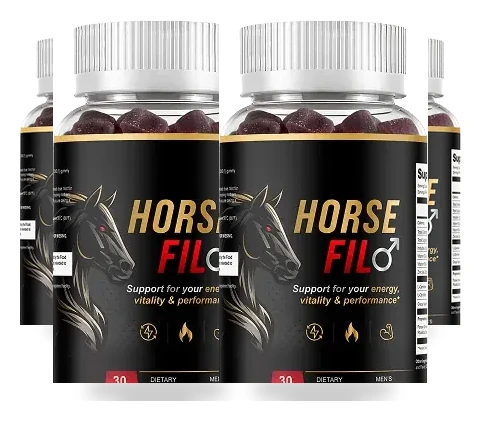
Men comparing the best testosterone booster you can buy are often really after steadier stamina rather than a hormonal effect. HorseFil is a once-daily men's gummy — L-citrulline and L-carnitine with ginseng, maca and rhodiola — sold with no autoship and a satisfaction window long enough to run a proper twelve-week test.
Get OfferWhere the supplement evidence is genuinely real
If the honest answer to what is testosterone booster for men were simply “nothing”, this article would be shorter. It is not. There is a real signal in this literature and it is worth stating precisely, because it is the part most articles either exaggerate or ignore.
In a year-long controlled trial, men supplemented with vitamin D showed a rise in total testosterone while the placebo group did not. That is a real, published, positive result. It is also a repletion result: the participants were overweight men in a weight-reduction programme, not a random sample of healthy men, and the mechanism being demonstrated is correction of a shortfall. The classic zinc work tells a similar story from the other direction — deliberately restricting dietary zinc lowered serum testosterone, and supplementing marginally deficient older men raised it. Very small numbers, very clear logic.
Repletion evidence is not boosting evidence. Fixing a shortfall you actually have is a different intervention from adding more of something you already have enough of, and the second one almost never behaves like the first.
The practical translation is straightforward and slightly boring. If you are over 40 and worried about this, the sequence is: get assessed, find out whether you are actually short of anything or actually low, then correct what is genuinely low. That sequence has evidence behind it. Buying a multi-botanical blend and hoping does not.

Not everything on a men's label is a hormone story. L-citrulline is a blood-flow ingredient with a performance literature of its own, and keeping those two categories separate makes labels much easier to read.
Where it is thin: healthy men with normal levels
The pattern that repeats across the botanical literature is that effects concentrate in men with low baselines and shrink or vanish in healthy men. It shows up in the hormone data and it shows up in the outcome data, and it is the single most useful thing to know about this category.
There is a second pattern that gets less attention: a hormone number moving is not the same as a life changing. In a crossover trial of ashwagandha in ageing, overweight men, a hormonal marker rose more on the supplement than on placebo — and the outcomes those men would actually feel, including fatigue, vigour and sexual well-being, showed no significant difference between groups. That single result is worth more than a page of ingredient claims. Assays and experiences are different endpoints and they do not always travel together.
This is also where the honest answer to are testosterone boosters worth it lives. For a healthy, replete man with normal levels, the expected value is low. For a man with a documented shortfall, it is real but specific. For a man with symptoms who has never been tested, the best purchase is not on a shelf at all.
Symptoms that mean see a doctor, not a shelf
Some things are not supplement questions. If any of these apply, the correct next step is a medical appointment.
- Persistent fatigue that does not improve with a fortnight of proper sleep.
- A sustained loss of interest in sex, or a change in erectile function lasting more than a few weeks — both can be early signs of vascular or metabolic problems.
- Low mood, irritability or loss of motivation lasting more than a month.
- Unexplained loss of body hair, breast tenderness, shrinking testicles, or hot flushes.
- Unexplained weight change, or new problems with concentration and memory.
Clinically low testosterone is diagnosed from symptoms plus repeated morning blood tests, and it has identifiable causes worth finding. Some are simple and treatable. None of them are addressed by a gummy, and a supplement that delays the appointment has done harm even if the capsule itself was inert.
What this cannot do
- It cannot diagnose you. No product tells you your level. Only a blood test does.
- It cannot treat hypogonadism. Dietary supplements are not intended to diagnose, treat, cure or prevent any disease, and clinically low testosterone is a medical condition requiring medical management.
- It cannot outrun the free levers. Nothing in the category competes with sleep, alcohol reduction and body composition on the same outcomes.
- It cannot be judged from an ingredient list. Evidence attaches to specific intakes of specific extracts. A label that names ingredients without amounts cannot be compared with any trial by anyone, including us.
- It cannot promise you the trial result. Repletion trials studied deficient men. If you are not deficient, you are not the population that produced the headline.
Building a sensible twelve-week plan
If you want to do something constructive with this article, here is the order of operations the evidence supports.
Weeks one to four: fix the free things. Seven to eight hours of sleep on a consistent schedule, alcohol reduced to a level you would be comfortable writing down, and two or three resistance sessions a week. Do not add a supplement yet. If your symptoms improve here, you have your answer and it cost nothing.
Week four: get measured. If symptoms persist, ask your doctor about a morning testosterone test and about vitamin D. Testing before supplementing is the only way to know whether you are in the population where repletion evidence applies. It is also the only way to catch the causes that matter.
Weeks five to twelve: correct what is genuinely low, then test one product at most. One product, one goal, a written log, a stop date. Our companion piece on picking a single goal before you buy sets out how to make those eight weeks readable, and the piece on what human trials reported about side effects covers what to watch for while you do it. Between them they answer most of what a man asking what is testosterone booster for men over 40 actually needs to decide.
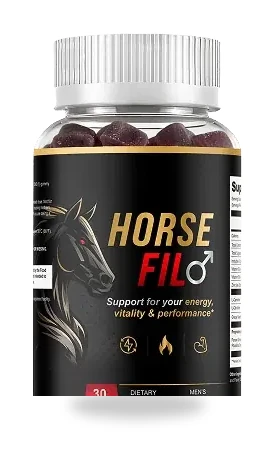
Where HorseFil sits. HorseFil is a stamina and endurance formula rather than a testosterone product — a once-daily gummy built on L-citrulline and L-carnitine with three adaptogenic botanicals, and no hormonal claim on the label. It does not publish per-ingredient amounts, so dose adequacy is unknown until you read the Supplement Facts panel on the bottle. This article is general information, not medical advice. Adult men only; speak to a healthcare professional before starting any supplement, particularly if you take prescription medication.
Frequently asked questions
What is a testosterone booster for men over 40 meant to do?
Over-the-counter products in this category attempt one of three things: replacing a nutrient you are short of, nudging a botanical pathway related to stress and fatigue, or supporting blood flow and work capacity. None of those is the same as raising testosterone in a man whose levels are already normal, even though packaging often implies it. Dietary supplements are not intended to diagnose, treat, cure or prevent any disease.
Does testosterone really drop after 40?
Average testosterone declines gradually with age in men, and that is well established. Two different things get confused, though. One is a shallow population-level drift that most men travel down without leaving the normal range or noticing symptoms. The other is clinically low testosterone, which is a diagnosis made from symptoms plus repeated morning blood tests and which has causes worth identifying with a doctor.
Do vitamin D or zinc supplements raise testosterone?
Only when you were short of them to begin with. In a year-long controlled trial, men given vitamin D showed a rise in total testosterone while the placebo group did not, but the participants were overweight men in a weight-reduction programme. The zinc evidence comes from very small studies in men who were deliberately restricted or already marginally deficient. This is repletion evidence, and it says nothing about men whose levels are already normal.
What should a man over 40 do before buying a testosterone supplement?
Spend four weeks on the free levers first: consistent sleep of seven to eight hours, reduced alcohol, and two or three resistance sessions a week. If symptoms persist, ask a doctor about a morning testosterone test and a vitamin D level. Testing before supplementing is the only way to know whether you fall into the group where the repletion evidence applies, and it is the only way to catch causes a supplement would never address.
Where to check this
- Pilz S. et al. — Effect of vitamin D supplementation on testosterone levels in men. Horm Metab Res 2011;43(3):223–225 (PMID 21154195)
- Prasad A.S. et al. — Zinc status and serum testosterone levels of healthy adults. Nutrition 1996;12(5):344–348 (PMID 8875519)
- NIH Office of Dietary Supplements — Vitamin D, Health Professional Fact Sheet (ods.od.nih.gov)
- Mayo Clinic — Male hypogonadism: symptoms and causes (mayoclinic.org)
- Harvard Health Publishing, Harvard Medical School — Testosterone: what it does and doesn't do (health.harvard.edu)
We link to primary records and to the standing evidence summaries maintained by public health bodies, so you can check the current position yourself rather than take ours on trust.
A daily endurance formula, honestly described
If the free levers are covered and you want to test one product properly, HorseFil is the formula this site covers: six named ingredients, one gummy a day, no stimulants and no hormone claim. The official store handles pricing, shipping and the satisfaction promise.
Get Offer See the ingredient list