What Is Testosterone Booster Side Effects? What Human Trials Actually Reported
The honest version: mild and boring most of the time, genuinely serious very rarely, and studied over weeks when the question you are asking is about years.
Quick answer: what the trials logged
In published human trials of the ingredients sold as testosterone boosters, the side effects reported most often are digestive — nausea, stomach discomfort and loose stools — followed by headache, restlessness and disturbed sleep. Serious events are uncommon in these trials but not absent: the two that deserve genuine attention are herb-related liver injury and interactions with prescription medicines. Almost all of this data comes from four-to-twelve-week studies in screened, healthy volunteers, which is good at catching common short-term nuisances and poor at catching rare or slow ones.
- Most commonly logged: gastrointestinal upset, headache and sleep disturbance — usually mild, usually dose-related, usually gone after stopping.
- Most serious: rare liver injury associated with botanical supplements, plus blood-pressure, blood-thinning and blood-sugar interactions that are easy to overlook.
- Biggest blind spot: trial lengths of four to twelve weeks in healthy men say almost nothing about a year of daily use, or about men taking three medicines.

Panax ginseng is one of the few ingredients in this category with a recognisable, repeatedly documented side-effect pattern: restlessness and difficulty sleeping, particularly at higher intakes or late in the day.
What a “side effect” actually means in a supplement trial
Most people typing what is testosterone booster side effects into a search box want a list. What the literature offers is closer to a pattern, and the pattern only makes sense once you know how these events get collected in the first place.
The phrase carries more weight than the data behind it usually deserves. In a drug trial, adverse events are collected under a formal protocol, coded against a standard dictionary and reported whether or not anyone thinks they are related to the drug. In supplement research, collection is far more variable. Some studies use structured questionnaires; many simply record whatever participants mention. A study that reports “no adverse events” may mean nobody had any, or may mean nobody was systematically asked.
That matters for how you read the rest of this page. When we say an effect was reported, we mean it appeared in the published record of a human study — not that it happens to a known percentage of people, and not that the ingredient caused it. Some of these events would have occurred anyway; that is precisely why placebo groups exist, and why an effect that shows up in both arms tells you little.
There is also a structural problem with the category itself. When researchers catalogued the ingredients on fifty best-selling testosterone-boosting products sold online, they found 109 distinct components, and a large share of them had no published data on testosterone at all. If the efficacy literature is that thin, the safety literature for the same components is thinner still. The absence of reported side effects for an ingredient is frequently the absence of studies, not the presence of safety.
What is testosterone booster side effects, ingredient by ingredient
Below is what the human literature actually associates with the ingredient families that dominate this shelf. The severity column describes what was typically written down in trials, not a probability. Where the record is genuinely empty, the table says so instead of rounding up to “well tolerated”.
| Ingredient family | What gets reported | Typical severity in trials | Strength of the safety record |
|---|---|---|---|
| Panax ginseng | Insomnia, restlessness, headache; occasional digestive upset | Mild, often dose- and timing-related | Moderate — long traditional use plus a reasonable number of short human studies |
| Tongkat Ali | Restlessness, irritability, digestive upset; isolated liver-injury case reports in the wider herbal literature | Mild in trials; serious events rare and case-based | Thin — small trials, short durations, varied extracts |
| Tribulus terrestris | Stomach cramping, nausea, reflux | Mild | Thin — studies are small and mostly measured hormones, not harms |
| Ashwagandha | Drowsiness, digestive upset, loose stools; liver-injury case reports exist | Mild in trials; hepatic cases rare but documented | Moderate for short use; poor beyond three months |
| Fenugreek | Digestive upset, a distinctive maple-like body odour | Mild and reversible | Moderate |
| Saw palmetto | Digestive complaints; in the large CAMUS trial, adverse events did not differ meaningfully from placebo even at escalating doses | Mild | Good — one of the few ingredients here with a large, long, well-run trial |
| D-aspartic acid | No prominent symptomatic pattern, but the best controlled study found testosterone fell rather than rose at the higher intake | Not a symptom problem; an efficacy problem | Thin |
| Zinc | Nausea and metallic taste at high intakes; sustained excess interferes with copper status | Mild acutely; cumulative risk with chronic megadosing | Good — upper intake levels are well characterised |
| Vitamin D | Well tolerated at normal intakes; toxicity is a real but high-dose phenomenon involving raised calcium | None at ordinary intakes | Good |
Two rows deserve a second look. The saw palmetto row is unusual because a large randomised trial escalated the dose substantially over more than a year and still did not produce a safety signal that separated it from placebo — that is a much stronger reassurance than “no adverse events were reported” in a four-week study of thirty men. The D-aspartic acid row is unusual in the other direction: the most careful controlled work found the higher intake moved total and free testosterone down. That is not a side effect in the classical sense. It is the ingredient doing the opposite of the thing it is sold for, which is arguably worse.
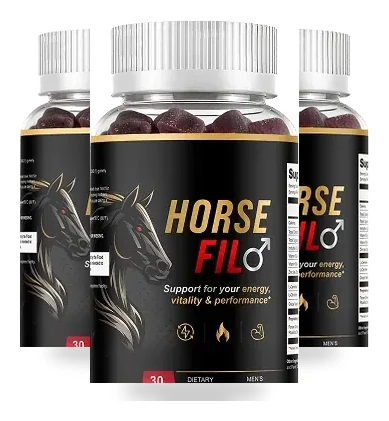
Looking for a formula that is not a hormone product at all?
Plenty of men searching for the best testosterone booster to buy online are actually after steadier daily energy rather than a hormonal intervention. HorseFil is a once-daily men's gummy built on two amino acids and three adaptogenic botanicals — no stimulants, no hormones, no testosterone claim. The official store handles pricing, shipping and the satisfaction promise.
Get OfferThe three complaints that show up most often
Strip the ingredient-by-ingredient detail away and the answer to what is testosterone booster side effects comes down to three recurring entries. None of them is dramatic, and that is itself worth knowing before you start.
Digestive upset. This is the single most common entry in the adverse-event columns of these studies, and it is rarely mysterious. Concentrated botanical extracts, large amino-acid loads and mineral salts all irritate an empty stomach. Nausea, cramping, reflux and loose stools are the usual descriptions, they are usually mild, and they usually respond to taking the product with a proper meal rather than with coffee.
Sleep disturbance and restlessness. Ginseng has the clearest association here, and adaptogenic botanicals more broadly are reported to make some people feel wired rather than steady. If a supplement is taken late in the day, this is the effect most likely to be blamed on it — and the one most reliably fixed by moving the dose to breakfast.
Headache. Common, non-specific, and difficult to attribute. Headache appears in the placebo arms of these trials at similar rates to the active arms often enough that treating it as a signature effect of any particular ingredient is unwise. It is worth logging, not worth panicking about.
Notice what is not on that list: nothing dramatic, nothing hormonal, nothing that resembles the side-effect profile of actual testosterone therapy. That contrast is important and we come back to it below.
Liver signals: the rare problem worth taking seriously
Herbal and dietary supplements are a recognised cause of drug-induced liver injury, and the national reference resource that catalogues these cases — LiverTox, maintained by the NIH — carries entries for a number of botanicals that appear in men's formulas. The events are rare relative to how many people take these products, but they are real, and they are not predictable from the label.
Rarity is not the same as irrelevance. A one-in-many-thousands event is easy to dismiss until you are the one, and the warning signs — unusual fatigue, dark urine, pale stools, yellowing of the eyes, pain under the right ribs — are easy to explain away as something else for weeks.
The practical rule is unglamorous. If you develop those symptoms while taking any supplement, stop it and see a doctor, and tell them what you were taking, including the exact product. Bring the bottle. Clinicians assessing possible supplement-related liver injury need the full ingredient list, and “a men's supplement I bought online” is not one.
The second rule is about stacking. Risk is not spread evenly across a shelf; it concentrates in people taking several concentrated botanical products at once, often without realising the same ingredient appears in three of them. If you are running a men's formula, a sleep formula and a pre-workout, count the overlapping ingredients before you count the benefits.

Rhodiola has one of the better-documented fatigue literatures among the adaptogens and a comparatively quiet side-effect record — mostly dizziness and dry mouth — but the same four-to-twelve-week limitation applies to it as to everything else here.
Interactions are the bigger everyday risk
For most healthy men the realistic hazard is not a dramatic reaction to a botanical. It is an unnoticed interaction with something already in the medicine cabinet. Four categories account for most of it.
- Blood thinners and antiplatelet drugs. Several botanicals in this category have documented or plausible effects on clotting. If you take warfarin, a direct oral anticoagulant, or daily aspirin on medical advice, this is a pharmacist conversation before it is a purchase.
- Blood-pressure medicines. Ingredients that support vasodilation stack with drugs that lower blood pressure. The result is usually nothing; occasionally it is light-headedness on standing.
- Diabetes medicines. Some of these botanicals have been studied for effects on blood glucose. Combined with insulin or a sulfonylurea, that is a hypoglycaemia question worth asking out loud.
- Anything metabolised by the liver. Which is to say most prescriptions. Botanical extracts can influence the enzymes that clear medicines, and the direction is not always obvious.
None of this makes supplements uniquely dangerous. It makes them ordinary consumables with pharmacological content, which is exactly how a pharmacist will treat them if you give them the chance. Ask before you buy, not after the first odd week.
What this evidence cannot tell you
This is the section most pages on this topic skip.
- It cannot give you a rate. Nothing here supports a sentence like “X per cent of men get nausea”. The studies are too small, too varied and too inconsistently reported to pool into an honest frequency.
- It cannot tell you about long-term use. Four to twelve weeks is the norm. There is no meaningful published picture of what taking these ingredients daily for three years does.
- It cannot tell you about you. Trials enrol screened, largely healthy volunteers. Men on multiple medicines, men with liver or kidney disease, and men over seventy are systematically under-represented in exactly the literature that would be most useful to them.
- It cannot tell you about the finished product. Safety data attaches to ingredients at studied intakes. A multi-ingredient blend that does not publish per-ingredient amounts cannot be mapped onto any of it, and neither can anyone writing about that product online.
- It cannot substitute for a diagnosis. A dietary supplement is not a treatment for clinically low testosterone or for erectile dysfunction, and none of the safety data above should be read as evidence that it works for either.
How to run a fair safety check on yourself
If you decide to try something in this category, the way you run the trial determines whether you learn anything. Five rules do most of the work.
Change one thing at a time. Starting a new supplement in the same week you start a new training block, a new job or a new sleep schedule guarantees you will not know what caused what.
Start at the label serving, not above it. The dose-response for nuisance effects in this category is real. Doubling up to “see if it works faster” mostly buys you the stomach complaints without the benefit.
Take it with food and take it early. Two of the three most common complaints — digestive upset and sleep disturbance — are largely solved by these two habits alone. Our companion piece on dose splitting and timing goes through this in detail.
Keep a two-line daily note. Sleep quality and one physical marker you care about. Memory is a terrible instrument and it flatters whatever you spent money on.
Set a stop date before you start. Eight to twelve weeks is long enough for anything in this category to declare itself. If the answer is nothing, that is an answer, and continuing to buy is a habit rather than a decision.
People asking where to buy testosterone booster products online usually skip straight past the part where they decide what would count as success. Deciding that first is free, and it is the single highest-value thing you can do before spending anything.
Where HorseFil sits in this. HorseFil is not a testosterone product — it is a once-daily men's gummy built around L-citrulline and L-carnitine with ginseng, maca and rhodiola behind them, marketed for stamina and endurance rather than hormones. It publishes no per-ingredient amounts, which means we cannot map it onto the intakes in the table above and neither can anyone else. The Supplement Facts panel on the bottle is the only document that settles that question. Adult men only; speak to a healthcare professional first if you take prescription medication.
Frequently asked questions
What are the most common testosterone booster side effects?
The most commonly reported side effects in human studies of these ingredients are digestive: nausea, stomach discomfort, cramping and loose stools. Headache and sleep disturbance follow, with restlessness and insomnia most often linked to ginseng and to taking a dose late in the day. These complaints are usually mild, usually related to the amount taken, and usually resolve after stopping the product.
Can a testosterone booster damage your liver?
Herbal and dietary supplements are a recognised cause of drug-induced liver injury, and the NIH LiverTox resource documents cases linked to several botanicals used in men's formulas. These events are rare relative to how many people take such products, but they are real and not predictable from the label. Unusual fatigue, dark urine, pale stools, yellowing of the eyes or pain under the right ribs while taking any supplement means stopping it and seeing a doctor, taking the bottle with you.
Do testosterone boosters interact with prescription medicines?
They can. The four categories that matter most are blood thinners and antiplatelet drugs, blood-pressure medicines, diabetes medicines, and anything cleared by the liver. Botanical extracts can affect clotting, blood pressure, blood glucose and the enzymes that metabolise other drugs. If you take any regular prescription, ask a pharmacist before you start a men's supplement rather than after the first unusual week.
Are the side effects of a testosterone booster the same as testosterone therapy?
No, and the two should not be confused. Prescription testosterone therapy is a medical treatment with its own monitoring requirements and a distinct risk profile that a doctor manages. Over-the-counter testosterone booster supplements are not hormones, are not approved to treat anything, and their reported effects in trials are mostly digestive and sleep-related. A supplement is not a substitute for assessment of clinically low testosterone.
Where to check this
- Clemesha C.G., Thaker H., Samplaski M.K. — “Testosterone Boosting” Supplements Composition and Claims Are Not Supported by the Academic Literature. World J Mens Health 2020;38(1):115–122 (PMID 31385468)
- Melville G.W., Siegler J.C., Marshall P.W.M. — Three and six grams supplementation of D-aspartic acid in resistance trained men. J Int Soc Sports Nutr 2015;12:15 (PMID 25844073)
- LiverTox: Clinical and Research Information on Drug-Induced Liver Injury — National Institute of Diabetes and Digestive and Kidney Diseases, NCBI Bookshelf NBK547852
- Mayo Clinic — Testosterone therapy: potential benefits and risks as you age (mayoclinic.org)
- National Center for Complementary and Integrative Health, NIH — Asian Ginseng (nccih.nih.gov)
We link to primary records and to the standing evidence summaries maintained by public health bodies, so you can check the current position yourself rather than take ours on trust.
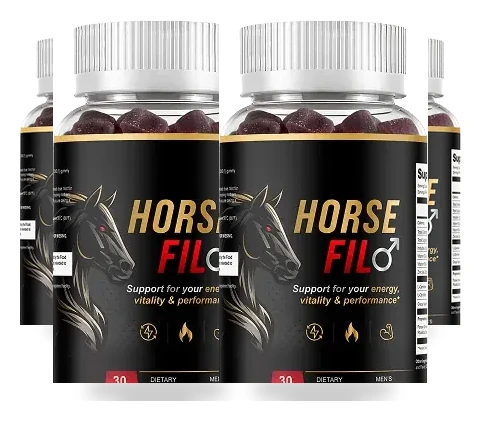
Stamina support, stated plainly
If what you actually want is daily endurance support rather than a hormonal product, HorseFil is one gummy a day with six named ingredients and no testosterone claim attached. Check the current offer and the satisfaction promise on the official store.
Get Offer See current prices