Testosterone Booster Cost Per Month, Explained
The sticker price on the bottle is the least useful number in the whole decision. Here is how to work out what a testosterone booster really costs to run — and how to avoid paying more for less.
Quick answer: how much do testosterone boosters cost per month?
Testosterone booster cost usually lands between thirty and seventy dollars a month for a quality formula. Cheaper products tend to be underdosed; pricier ones often pay for marketing rather than ingredients. The number that actually matters is cost per clinically dosed serving, not per bottle, and you should budget a two-to-three-month supply to judge results over eight to twelve weeks.
- Fair range: roughly $30–$70 a month; far below that usually signals filler or underdosing, far above it usually signals marketing.
- Right metric: compute cost per clinically dosed serving, because a cheap bottle at half the effective dose is not actually cheaper.
- Watch the trap: autoship subscriptions and pre-ticked renewal boxes quietly turn a one-off price into a recurring one.
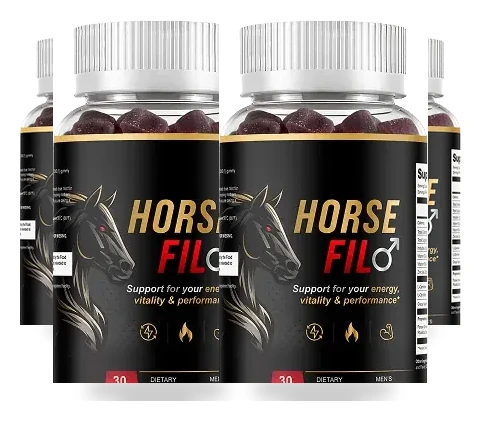
The per-month cost of almost every supplement falls when you buy the supply you actually need to run a proper trial. That is a feature to use deliberately, not a reason to overbuy on impulse.
Work out the true testosterone booster cost and half the bad purchases in this category disappear on their own. Most men look at the price on the front of the bottle, compare it to the bottle next to it, and buy the cheaper one — or, just as often, assume the dearer one must be better. Both instincts are wrong, because the front-of-bottle price hides almost everything that determines value: how many servings are inside, whether those servings are dosed at levels any study actually used, and whether a discount is really a subscription in disguise. This article gives you a simple way to see through all of that, so you pay a fair price for something that can actually do its job.
The real number: cost per clinically dosed serving
Here is the single most useful habit you can build in this category: stop comparing the price per bottle and start comparing the price per clinically dosed serving. A bottle tells you almost nothing on its own. A thirty-dollar bottle with thirty servings is a dollar a day. A thirty-dollar bottle with fifteen servings is two dollars a day for the same headline price. And if that cheaper-looking bottle dilutes its key ingredients to half the amount used in the trials that made them famous, then you may have to take double the serving to match the evidence — which quietly doubles the cost again.
So the calculation is: take the price, divide by the number of servings, and then sanity-check whether a single serving actually delivers the ingredient amounts the research used. A product is only cheap if it is cheap at an effective dose. This is exactly why underdosing is the most expensive trick in the business — it lets a formula look affordable while quietly failing to work, so you buy it again and again. Our companion piece on dose splitting and timing for testosterone booster tablets covers how to read a Supplement Facts panel closely enough to catch this.
| Scenario | Bottle price | Servings | Dose vs research | Real cost to work |
|---|---|---|---|---|
| Looks cheap, is cheap | $35 | 30 | Full dose per serving | ~$1.17 / day |
| Looks cheap, isn't | $25 | 30 | Half dose per serving | ~$1.67 / day at 2 servings |
| Looks premium, delivers | $60 | 30 | Full dose, third-party tested | ~$2.00 / day, verified |
| Looks premium, doesn't | $70 | 30 | Proprietary blend, amounts hidden | Unknowable — cannot be compared |
Read that table and the lesson writes itself: two products at wildly different sticker prices can have almost identical real value, and the most expensive row is the one you cannot assess at all, because a hidden proprietary blend makes the cost-per-effective-serving calculation impossible. Transparency is not a nicety here; it is the thing that lets you do the maths.
What a fair monthly price actually is
With that framing in place, the range makes sense. A quality testosterone-support or stamina formula generally costs somewhere between thirty and seventy dollars a month. That is not an arbitrary band. Real ingredients at real doses cost money to include, so a formula priced far below thirty dollars is usually achieving it by cutting doses, padding with cheap filler, or hiding the shortfall behind a blend. At the other end, a price far above seventy dollars is rarely buying more or better ingredients — it is usually buying celebrity endorsement, glossy packaging or a fashionable ingredient with thin evidence.
None of this means the middle of the range is automatically right and the edges automatically wrong. A sixty-dollar product that is third-party tested, fully transparent and dosed to match the research can be excellent value, while a twenty-dollar one can be the most expensive mistake on the shelf because you keep rebuying something too weak to do anything. Price is a clue, not a verdict. For a fuller framework on weighing dose, transparency and evidence together, our plain-English buyer's guide to the best testosterone booster in 2026 puts all the criteria in one place.

The most important pricing information is often on the checkout page, not the product page. Read it before you enter a card number.
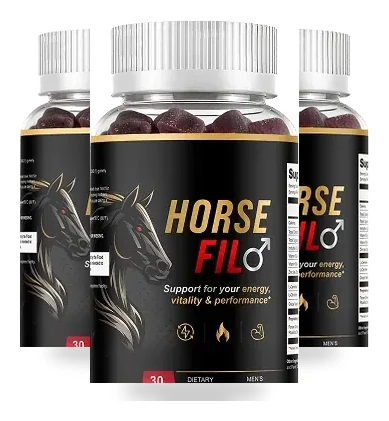
Priced to run a proper trial, not to trap you
HorseFil is a once-daily men's gummy sold with no autoship and a satisfaction window long enough to test it over a full eight to twelve weeks. Multi-month bundles bring the per-day cost down, the ingredients are named on the label, and the official store shows the real price before you commit — no pre-ticked subscription boxes.
Get OfferThe subscription trap, and how to spot it
The autoship trap is where a fair-looking price becomes an unfair one, and it is worth learning to recognise because it is everywhere. The mechanics are simple. A headline discount is offered only if you "subscribe and save"; the subscribe option is pre-selected at checkout; the recurring charge is set to a frequency that arrives before you have finished the last bottle; and cancellation is deliberately awkward, sometimes requiring a phone call during business hours. Each of these is legal in most places and each is designed to extract more than you meant to spend.
If you cannot find the recurring terms — the real price, the billing frequency and the cancellation method — in under a minute on the checkout page, that difficulty is the answer. Buy from someone who states it plainly.
Protecting yourself is not complicated. Read the checkout page, not just the sales page. Look for a plainly stated one-time-purchase price and treat a "subscription-only" discount with suspicion. Untick anything pre-ticked. And favour brands that let you buy the supply you want as a single transaction. The same discipline that keeps you safe from the hidden-drug problem in male enhancement pills that actually work keeps you safe from the hidden-billing problem here: transparency at the point of sale is the tell in both cases.
Why a single bottle is usually a waste of money
Here is a cost mistake that runs in the opposite direction from overpaying: underbuying. Men often purchase a single bottle to "try it out", take it for a few weeks, feel nothing dramatic, and quit. That is money spent on a test that was never long enough to return a result. The outcomes worth caring about in this category — steadier energy, better training capacity, day-to-day stamina — build over eight to twelve weeks. A thirty-day bottle cannot show you that, so a one-bottle purchase almost guarantees an inconclusive answer and a wasted spend.
The economical move is counter-intuitive: budget a two-to-three-month supply from the start. It gives the formula a fair window to work, it usually lowers the per-serving cost through bundle pricing, and it stops you making a decision on incomplete information. Buy enough to run the experiment properly, set a stop date, and judge the trend at the end — not the cheapest possible amount that answers nothing.
Two objections worth answering
"Cheaper is always the smart, frugal choice." Only if the cheap product is effective. Frugality means the lowest cost per unit of result, not the lowest number on the shelf. A twenty-dollar bottle you rebuy for a year because it never quite works is far more expensive than a fairly priced formula that answers the question in one honest twelve-week trial.
"The dearest product must be the best." Price signals confidence, not quality. Some premium brands do spend the extra on higher doses, third-party testing and transparency — and some spend it on influencers and packaging. The only way to tell them apart is to ignore the sticker and check the dose, the testing and the label transparency, which is the whole point of computing cost per clinically dosed serving.
Where HorseFil sits. HorseFil is a stamina and endurance formula rather than a testosterone drug — a once-daily gummy sold without autoship, with multi-month bundles that lower the per-day cost and a satisfaction window built for a proper trial. It does not publish every per-ingredient amount, so read the Supplement Facts panel on the bottle to judge dose adequacy for yourself. This article is general information about supplement pricing, not medical or financial advice. Adult men only; speak to a healthcare professional before starting any supplement, particularly if you take prescription medication.
Frequently asked questions
How much do testosterone boosters cost per month?
Most quality testosterone boosters run roughly thirty to seventy dollars a month. Below that range you are usually paying for underdosed or filler-heavy formulas, and above it you are often paying for marketing, celebrity endorsement or fashionable but thinly evidenced ingredients. Price alone tells you very little, though. What matters is the cost per clinically dosed serving, which is the only figure that lets you compare two products honestly.
Are expensive testosterone boosters worth it?
Sometimes, but a high price is not proof of quality. An expensive product is worth it only if the extra money buys clinically meaningful doses of evidence-backed ingredients, third-party testing and transparency. Plenty of premium-priced boosters spend their budget on packaging and influencers instead. Equally, the cheapest option is rarely a bargain if it is underdosed, because you pay repeatedly for a formula too weak to do anything.
How do I avoid supplement subscription traps?
Read the checkout page, not just the product page. Autoship traps hide a recurring subscription behind a headline discount, pre-tick a subscribe box, or bury cancellation behind a phone call. Prefer brands that sell one-time purchases plainly, state the real per-bottle price without a subscription, and make cancelling easy. If you cannot find the recurring terms in under a minute, treat that as the answer and buy elsewhere.
How many months should I buy to see results?
Budget a two-to-three-month supply before you judge anything. The outcomes men care about build over eight to twelve weeks, so a single bottle is not a fair test and a one-month trial mostly wastes money. Buying a multi-month supply is usually cheaper per serving too. Set a clear stop date, keep a simple log, and decide at the end of the window rather than reordering on autopilot.
Where to check this
- U.S. Federal Trade Commission — guidance on negative-option and automatic-renewal marketing (ftc.gov)
- NIH Office of Dietary Supplements — Health Professional Fact Sheets on individual ingredients and typical study doses (ods.od.nih.gov)
- ConsumerLab — independent third-party testing of supplement products and label accuracy (consumerlab.com)
- Harvard Health Publishing, Harvard Medical School — Testosterone: what it does and doesn't do (health.harvard.edu)
We link to standing consumer-protection and evidence resources maintained by public bodies and independent testers, so you can check the current position yourself rather than take ours on trust.
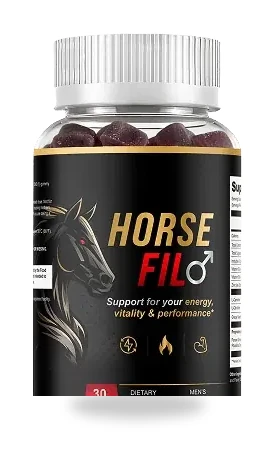
Fair price, named ingredients, no autoship
If you want a formula priced honestly — multi-month bundles that lower the per-day cost, a clearly stated one-time price and no subscription trap — HorseFil is the product this site covers. Six named ingredients, one gummy a day, no stimulants. The official store shows the real price before you commit.
Get Offer See current pricing