Natural Testosterone Booster: What to Look For on the Label
The word on the front of the bottle is doing a lot of work — and almost none of it is regulated. Here is how to read a natural testosterone booster label properly and tell a real formula from expensive filler.
Quick answer: what to look for in a natural testosterone booster
A natural testosterone booster is only as good as its Supplement Facts panel. Look for standardized plant extracts with the milligrams disclosed, doses that match human trials — Tongkat Ali 200–400mg, ashwagandha 300–600mg, vitamin D 3000–5000 IU, zinc ~30mg — and third-party or GMP testing. The word natural itself guarantees nothing; the numbers do.
- Disclosed milligrams over blends: a proprietary blend hides how much of each active you are actually getting.
- Standardized extracts: a ratio like Tongkat Ali 100:1 is what makes a dose reproducible from trial to bottle.
- Verifiable making: GMP facility and batch testing tell you the label matches what is inside.
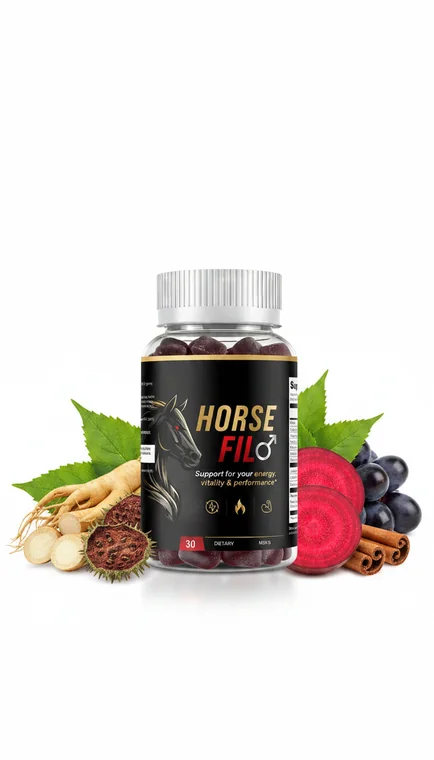
“Natural” is a marketing word, not a dose. The information that predicts whether a formula works is a few lines further down the panel.
What "natural" really signals — and what it doesn't
Start with the uncomfortable part. On a dietary supplement, “natural” is not a defined, enforced term. There is no threshold a product must clear to print it. That means a natural testosterone booster can be a thoughtfully dosed botanical formula or a bargain-bin blend of underdosed powders, and both are equally entitled to the word. The label is telling you where the ingredients came from in spirit, not how well they will work.
This matters because most men read “natural” as a proxy for “safe and effective,” and it is neither guarantee. Plenty of natural substances are inert at the dose provided; a few are powerful enough to interact with medication. So the honest way to use the word is as a category, not a verdict. Once a product is in the natural-botanical category, you still have to do the real work: read the panel.
The label tells that separate real formulas from filler
There are four things on a Supplement Facts panel that reliably separate a formula worth buying from filler. None of them are on the front of the box, which is exactly why the front of the box is loud.
1. Disclosed milligrams, not a blend. The most important thing a natural testosterone booster can do is tell you how much of each active is inside. When six ingredients hide under a single “proprietary blend 1,200mg” line, you cannot tell whether the Tongkat Ali is at a trial dose or a fairy dusting. A disclosed panel is a product with nothing to hide.
2. Standardized extracts. A plant is not a dose. “Tongkat Ali 200mg” means little unless it is standardized — for example a 100:1 extract, or a guaranteed percentage of the active compounds. Standardization is the bridge between the extract used in a trial and the extract in your bottle. Without it, the milligram figure is decoration.
3. Doses that match the human trials. Once amounts are disclosed, compare them to the ranges the research actually used. If a formula lists ashwagandha at 50mg when the trials used 300–600mg, the number is there for the label, not for you.
4. Verifiable manufacturing. A GMP-registered facility, batch testing and a willingness to show a certificate of analysis tell you the panel is honest. This is the layer that confirms the label matches the contents — identity, purity and potency.
| On the label | What filler looks like | What a real formula looks like |
|---|---|---|
| Amounts | Proprietary blend, one total | Every active in disclosed milligrams |
| Extract quality | “Root powder,” no ratio | Standardized, e.g. 100:1 or % actives |
| Dosing | Below trial ranges | Matches published human doses |
| Ingredient list | Long list of trendy names | Short list of evidenced actives |
| Testing | No manufacturing claims | GMP facility, batch/third-party testing |
| Claims | “Cures low T,” disease language | Support language, no disease promises |
If you want the version of this that ranks whole products against these criteria, our 2026 buyer's guide to the best testosterone booster applies the same filters end to end.
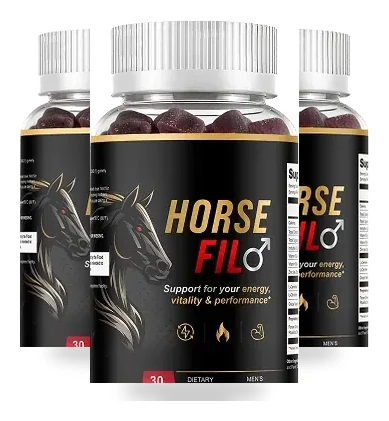
Want a clean, natural men's formula to test?
If you are shopping natural formulas for steadier stamina rather than a hormone number, HorseFil is a once-daily men's gummy on L-citrulline and L-carnitine with ginseng, maca and rhodiola — six named ingredients, no stimulants, no autoship, and a satisfaction window long enough to run a proper test.
Get OfferThe four natural ingredients with real evidence
Strip the marketing away and the natural actives with genuine human testosterone data form a short, memorable list. Everything else is optional.
Tongkat Ali (Eurycoma longifolia), 200–400mg standardized. The most-studied botanical in the category, with several randomized controlled trials and a 2022 meta-analysis reporting significant increases, most clearly in men with low baselines. If you want the full breakdown, see our guide to Tongkat Ali evidence and dosage.
Ashwagandha (Withania somnifera), 300–600mg. Primarily a stress-and-recovery adaptogen with a testosterone signal in stressed or overweight men. A useful honesty check: in one crossover trial a hormone marker rose while the outcomes the men could feel did not differ from placebo.
Vitamin D, 3000–5000 IU — repletion only. In a year-long controlled trial, deficient men supplemented with vitamin D raised total testosterone while placebo did not. It is a fix-a-shortfall result, not a boost-a-healthy-man result.
Zinc, ~30mg — repletion only. Restricting zinc lowers testosterone; supplementing marginally deficient men raises it. Small studies, clear logic, and only relevant if you were short. High chronic doses can suppress copper, so more is not better.
Natural does not always mean hormonal. Maca, ginseng and rhodiola are energy-and-stamina botanicals, and reading them as testosterone ingredients is a common way to be disappointed.
Myth: "natural means safe, so dose doesn't matter"
This is the belief that costs men money and, occasionally, more than money. Natural does not mean risk-free. Botanicals can interact with prescription medication, adaptogens can affect sleep and heart rate in sensitive people, and high-dose minerals have their own downsides. Dose matters in both directions — too little and the product is inert, too much and you can create a problem the “natural” label promised you had avoided. The right frame is respect, not fear: real ingredients at real doses deserve to be taken as seriously as anything else you put in your body.
Quality is the other half of the safety question, and it is invisible on the front of the box. Because “natural” is unregulated, two bottles claiming the same botanical can differ wildly in what is actually inside — the extract strength, the part of the plant used, the presence of contaminants, even whether the named ingredient is present at the stated amount at all. This is precisely what GMP manufacturing and third-party batch testing exist to police. A certificate of analysis is not a luxury for the obsessive; it is the only practical way an ordinary buyer can confirm that a natural label matches its contents. If a brand will not or cannot produce one, treat that silence as information.
A hidden dose is not modesty. It is the one piece of information that would let you judge the product, withheld on purpose.
Myth: "a natural booster can replace TRT"
It cannot, and it should not be sold as if it could. Testosterone replacement therapy is a prescribed medical treatment for diagnosed low testosterone, monitored with blood work. A natural supplement is a different thing entirely and is not intended to diagnose, treat, cure or prevent any disease. If your symptoms point to clinically low testosterone, the useful next step is a morning blood test and a doctor's assessment — not a stronger capsule. Buying up the natural aisle to avoid that appointment is the one mistake that can actually cost you something the supplement never could.
Where HorseFil fits — honestly
Since we cover HorseFil, here is the straight version. HorseFil is a natural, once-daily men's gummy, but it is a stamina and endurance formula rather than a testosterone product. It is built on L-citrulline and L-carnitine with three adaptogenic botanicals — ginseng, maca and rhodiola — and it makes no hormonal claim on the label. It scores well on some of the criteria above: a short list of named actives, a GMP-aligned made-in-USA story, and no autoship. By our own rule, though, it does not publish per-ingredient milligrams, so dose adequacy is unknown until you read the Supplement Facts panel on the bottle. We would rather tell you that than pretend otherwise. It is a reasonable natural formula to test for stamina; it is not a testosterone treatment.
Where HorseFil sits. HorseFil is a stamina and endurance formula rather than a testosterone product — a once-daily gummy on L-citrulline and L-carnitine with three adaptogenic botanicals, and no hormonal claim. It does not publish per-ingredient amounts, so dose adequacy is unknown until you read the Supplement Facts panel. This article is general information, not medical advice. Adult men only; speak to a healthcare professional before starting any supplement, particularly if you take prescription medication.
Related reading
Frequently asked questions
What does a natural testosterone booster actually mean?
In practice, not much on its own. The word natural is unregulated on supplements, so it can describe a well-dosed botanical formula or a cheap filler blend equally. What actually means something is the Supplement Facts panel: standardized plant extracts with the milligrams disclosed, doses that match published human trials, and manufacturing you can verify. Treat natural as a starting point, not a guarantee.
Are natural testosterone boosters safe?
The best-studied natural ingredients, such as Tongkat Ali, ashwagandha, vitamin D and zinc, have generally been well tolerated at studied doses in healthy adult men, with mild and reversible side effects reported. Natural is not the same as risk-free, though: botanicals can interact with medication, high-dose zinc can suppress copper, and quality varies. Speak to a doctor first if you take prescriptions or manage a condition.
Which natural ingredients have real evidence?
Four stand out. Tongkat Ali at 200 to 400mg of a standardized extract has several randomized trials behind it. Ashwagandha at 300 to 600mg has a stress and recovery signal. Vitamin D at 3000 to 5000 IU and zinc at around 30mg both have repletion evidence, meaning they help mainly when you were genuinely short. Most other botanicals have thin or no human testosterone data.
Can a natural booster replace TRT?
No. Testosterone replacement therapy is a prescribed medical treatment for diagnosed low testosterone, and a dietary supplement is not a substitute for it. A natural booster is not intended to diagnose, treat, cure or prevent any disease. If you have symptoms of clinically low testosterone, the right step is a morning blood test and a conversation with a doctor, not a stronger capsule.
Where to check this
- U.S. Food and Drug Administration — Dietary Supplements (regulation and labeling overview)
- NIH Office of Dietary Supplements — Zinc, Health Professional Fact Sheet
- NIH Office of Dietary Supplements — Vitamin D, Health Professional Fact Sheet
- Examine.com — Ashwagandha (Withania somnifera): human evidence and dosing
- Mayo Clinic — Male hypogonadism: symptoms and causes
We link to standing evidence summaries and the regulator so you can check the current position yourself rather than take ours on trust.
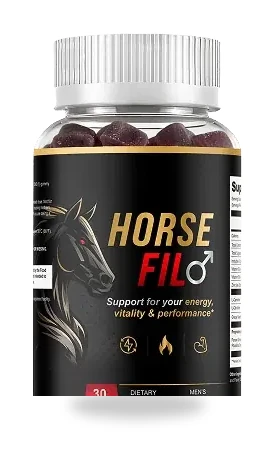
A natural formula, honestly described
If you have read the label logic above and want a clean natural formula to test for stamina, HorseFil is the one this site covers: six named ingredients, one gummy a day, no stimulants and no hormone claim. The official store handles pricing, shipping and the satisfaction promise.
Get Offer See the ingredient list